

Stop Waiting, Writers. Start Scheduling
Or Get A ROOM! [Writers Need A Room, part 3]
Mood is not a writing strategy. #patti-ism
Tales from Writers Room
At the start of a Writers Room session, I asked everyone to name one thing they wanted to finish before we closed.
BT rustled some pages, and I waited. This is tough way to open a free writing session. I don’t do it that often. BT put his two fists on the desk and said, “I just want to write one sentence I don’t hate.”
An hour later, during closing, he reported back: “I wrote a paragraph. I don’t hate it.”
“What made that possible, B?” another writer asked?
“I just showed up here because I had it in my calendar. And kept trying.”

This is what Writers Room does—it shrinks the task to something survivable. Did you read my post about author Caro Claire Burke who wrote well when she didn’t have a deadline and just followed her curiosity and wrote what came up?
It’s a cliche, and its true: One sentence. One paragraph. One hour that belongs to you and your book.
Stop promising yourself the three hours of undistracted time on Saturday. You’ve been trying to do that since February. Don’t think about “just the right” writing retreat is going to come along and you’ll write that opening chapter. Don’t wait to be woken up in the night with the perfect opening sentence.
This is the writing recipe I used to create Writers Room for people in my coaching community:
Commit to time.
Arrive ready to receive inspiration.
Have other writers for company.
Be in a space where expectation is low,
attendance is celebrated,
and support is off the charts high.
Find your Writers Room.
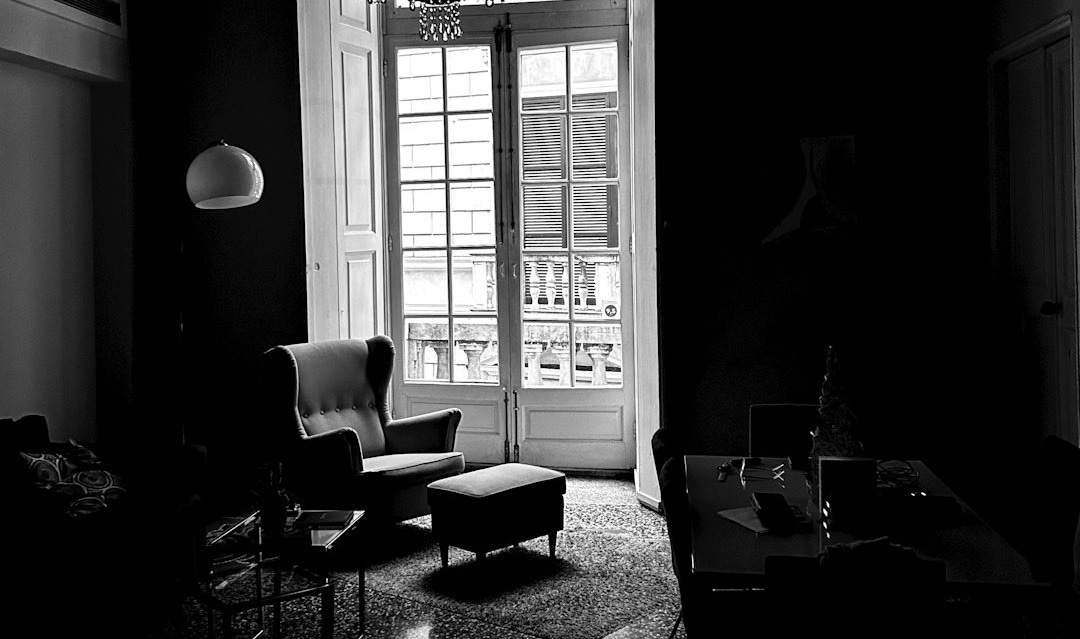
I get to watch the joy of it over and over.
Writers who show up consistently—briefly, with barely-combed hair, wearing sweats they slept in, and guzzling their third coffee—get something surprising on the page. They leave with FUEL to #WriteOn.
Paul Silvia, author of How to Write a Lot, has the research to back this up. (Fellow rabbit-hole geeks, I love you.) Scheduled, frequent writing sessions consistently outperform binge writing. Not sometimes. Consistently. And Writing Accountability Group (WAG) data confirms the same: writers who wrote in frequent short sessions outproduced writers who held out for long uninterrupted stretches.
The mood, it turns out, is not coming. The schedule is what comes.
This is Your Brain on Writing (Again)
In part one of this series, I talked about the social facilitation effect. The presence and proximity of other writers shifts something in us and makes the blank page less montrous.
The hardest part of writing isn’t the writing. It’s the negotiation with yourself.
You know how it goes:
…should I try to write today? is it even worth it? I’m never going to get the whole book done. I should be doing something that pays me. My high school English teacher was right, I can’t write. …
I designed Writers Room to be what I need. I write with you. Mondays and Thursdays we show up. We say hello and high five each other for showing up. I give you a custom Reflection Frame every single time. I offer answers to questions plaguing everyone. Before we close I lightly coach whoever asks for it.
Here is Yesteryear author Caro Claire Burke said about writing what comes up when you just go to the page as planned:
“… it was such a boot camp in writing. Every week you just have to write something, and you’re not waiting for the muse to speak to you. And that was 100 percent why I was able to write Yesteryear pretty quickly. I got used to a deadline, and I became much less precious about it, and that was a huge turning point for me.”
Your book doesn’t need a perfect situation, it wants an appointment with you.
Get a room, pre-book the time, hold the hose [#patti-ism] for what shows up. I built you a Writers Room. See you in there on Monday or Thursday.
Want more info? Drop me a DM or leave a comment.